


Appalachia is on the precipice of spring. My pantry has sent out a notice, led by two sweet potatoes, an onion, and a head of garlic all sprouting against the odds. Spindly daffodil leaves are trying to establish themselves outside, in between the bouts of snow. And occassionally, a gentle breeze will waft by as if to say, “it’s almost time.”
I’m surprised to catch myself welcoming this seasonal change. After the hurricane, I dreaded spring. I was angry that the world continued turning while we were all buried under monumental suffering. The songs sung by the birds were irritating. I was indifferent to the opening flowers and verdant life. I didn’t want to be outside. My apathy makes sense; I couldn’t set foot in any direction without staring at a landslide, or a glaringly empty spot that once held something I loved, or newly exposed rock mimicking a fresh wound. Reminders of loss were everywhere. So when the air eventually warmed and the seeds began to sprout, I rejected it. The anticipation was at odds with how I was experiencing the world.
Instead of sitting with the spring ephemerals, I hauled rocks uphill like sisyphus to make new paths. I cut down broken trees and stacked countless piles of debris. I didn’t forage or make medicine; it felt wrong to take anything further from what little was left. I emotionally idled while quietly cleaning up the disaster. I remained this way for over a year.
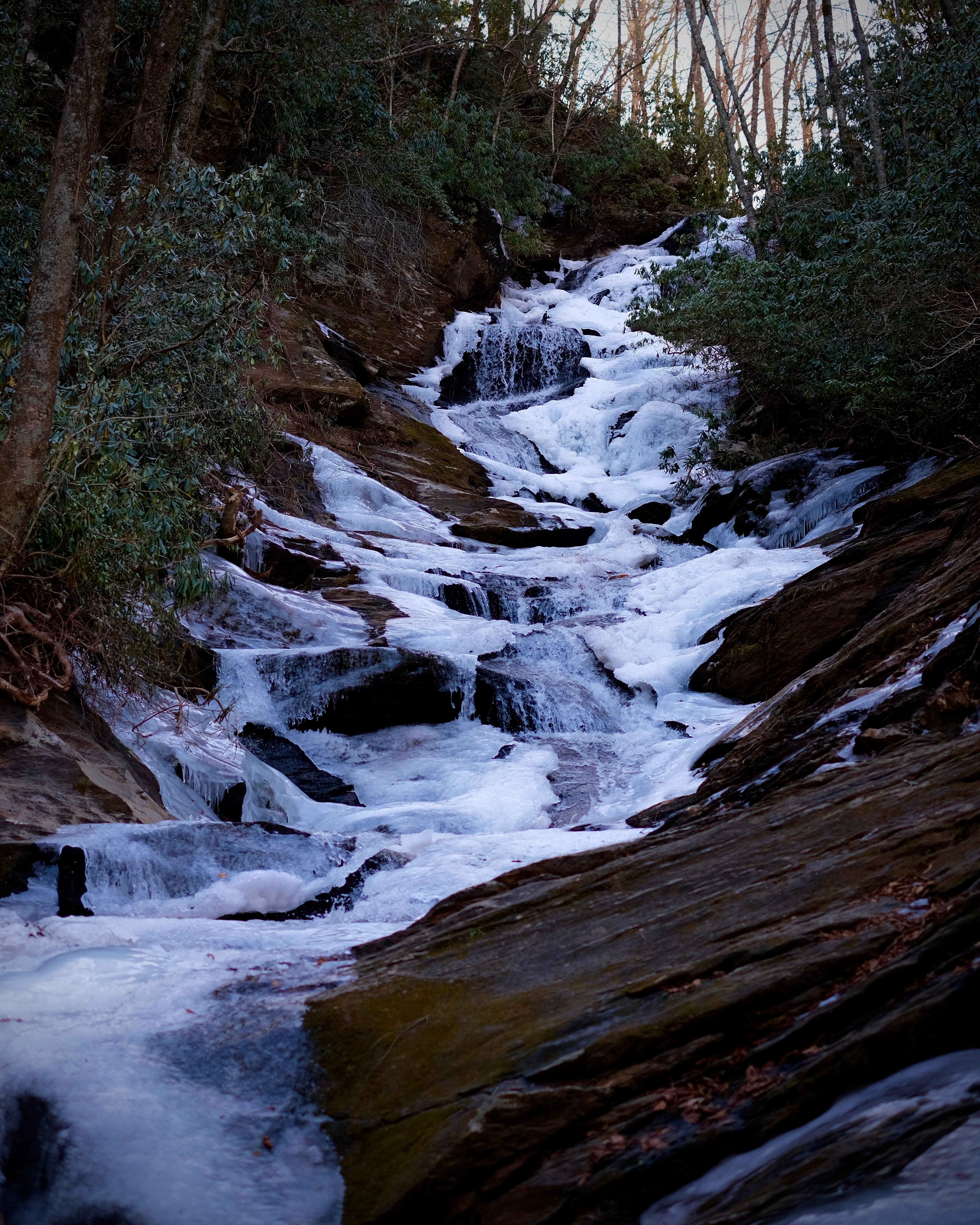
Shortly after thousands of landslides decimated our mountains during Hurricane Helene in 2024, dozens of people who had previously experienced natural disasters came forward to offer me advice. While I was too traumatized to understand them in the moment, time unfurled and each one became an opening, as if they had swept the path for me to follow their lessons. One piece of advice was repeated to me by many people: allow yourself to process it all now, while it is still in front of you. Look at it, feel it, accept it. Some people vulnerably shared stories of addiction, depression, and tearing their lives down just so they could avoid looking at the scope of what happened to their own landscapes - only to finally process their experiences decades later, after their avoidance eroded everything they had left.
Their advice made sense, so I have remained in the muck for the past 508 days, far removed from what my life looked like prior. I climbed a ridge to meet the original site of the landslide that almost took out my house. I fought a hungry bear with a cast iron pan. I snuck past construction equipment to find my favorite trail turned into a mile-long tree graveyard. I visited the mountain pines at the top of a closed off road. I faced my anxieties around my beloved trees being toppled, the ones I still cannot reach. I sat in my sit-spots that had been obliterated. I heard trees fall from the disturbed soil in the middle of the night when least expected, happening as recently as last month.
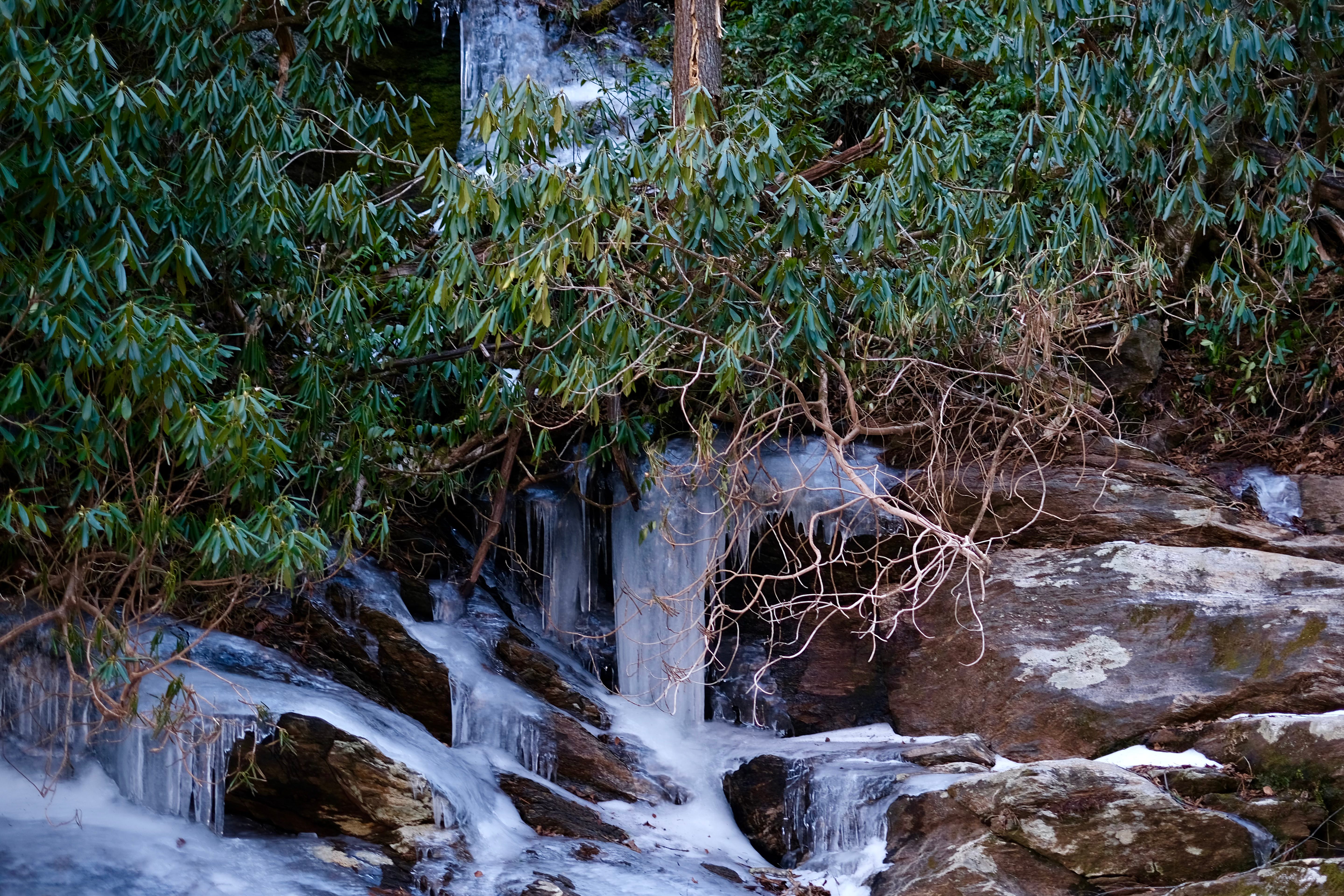
All the while, I listened to what the plant kingdom had to say about resiliency. It was easy to learn from the evergreen shrubs with gnarled branches and thick leaves: rhododendrons, hollies, azaleas, mountain laurels. Their constant, unwavering presence was one of the only comforts I felt from the otherwise lifeless landscape. They were steadfast and I trusted that they wouldn’t slip out of sight, never to appear again like many of the delicate beings who were washed away in the flood. It was as if they were built to sustain their surroundings. I found rhododendrons acting as erosion control where potential landslides would have otherwise happened. Tangles of mountain laurels kept the debris away from the forest floor, protecting vulnerable plants. All of them provided shelter for displaced animals battling the frigid winter with lost homes. The hurricane barely bothered them.
Resiliency comes in other forms, though. More sensitive, subtle, weird forms. Mountain sweet pitcher plants thrive in harsh environments with low nutrients, and have adapted to eat insects. Algae, fungi, and yeast recognized that they are stronger when working as one, together forming into lichen as a holobiont being. I look at cliff stonecrop plants who grow from the tiny cracks in rocks and think about how, when we access our own resiliency, the body adapts around trauma rather than holding it like a possession. I see this mirrored in the rivers that have permanently widened and creep into new crevices they never before touched. The flood waters have carved out the earth and the water will not return to the shapes which previously held them, but instead yield around their new landscape. Table mountain pines became so used to frequent wildfires that extreme heat is now required for their germination. Moss can dry out completely and appear dead, only to revive in water.
All of these beings were presented with challenges and found unique ways to thrive.
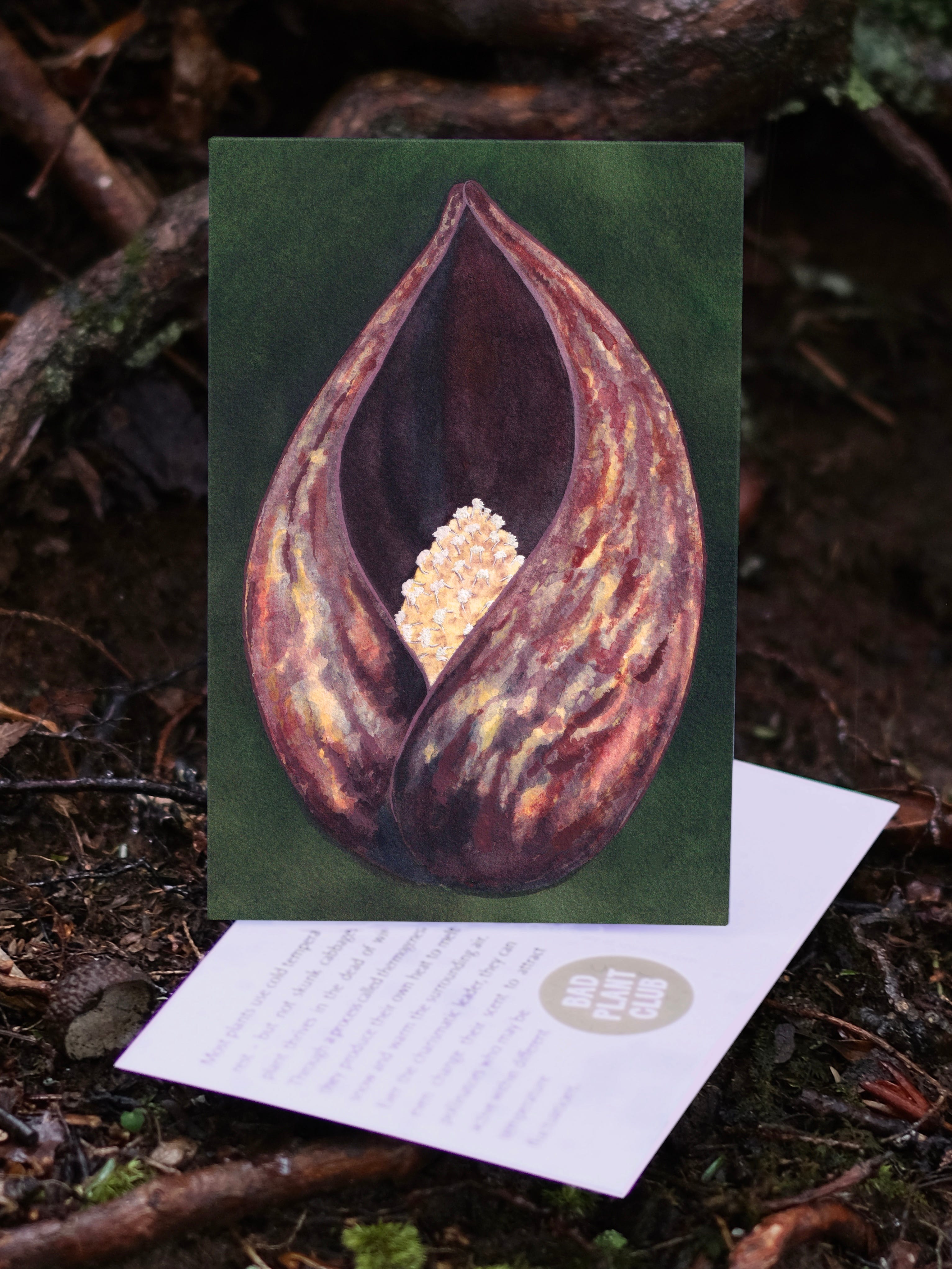
One of my favorite resilient plants is actually featured in the next BAD PLANT CLUB postcard (of which I have opened more spaces for; I apologize it sold out last month). I didn’t even intend for the timing to be apt, but maybe there’s something to be said for all of the plants who emerge at this barren time of year. Few plants choose to be present at the end of winter, with its volatile weather, inhospitable conditions, and lack of pollinators. This month is dedicated to a plant who does just fine, despite it all: the unusual skunk cabbage, whose resiliency mechanisms are as interesting as their bizarre appearance. There are a lot of reasons why this plant defies our human-imposed norms. I won’t say much more about them here - plenty of information is on their postcard, which will be on its way to members February 21st.
But I hope that the unexpected welcoming of spring means I am adapting like skunk cabbage, or moss, or the rivers to find new shapes moving forward. It feels time to figure out how to grow in this unfamiliar land. Have I finally accepted what has happened here? Does this mean the year I spent dormant is coming to a close? Will I get to enjoy the mountains again?
I don’t know - I don’t actually have any answers.
But I know the plants do.
Thank you for being here,
♡ Mila
Mila, I loved this. Thank you.
Thank you for sharing from the depth of your heart and presence. I am sharing with my daughter, who also lived through Helene and the aftermath in Swannanoa.